
Why We Are Talking About Trauma-Informed Practice
At Community Forward SF, we use the term Trauma-Informed Practice rather than Trauma-Informed Care. While care is an important part of our work, trauma-informed principles extend far beyond direct services. They influence how we lead, supervise, communicate, develop policies, support staff, engage volunteers, and design programs.
How do you define Trauma-Informed Practice at Community Forward?
Trauma-Informed Practice means recognizing the widespread impact of trauma and intentionally creating environments, relationships, and systems that promote safety, trust, choice, collaboration, and empowerment. It guides how we work with participants and how we work with one another.
What does it mean to approach this work with humility and curiosity?
It means staying open to learning, listening before assuming, and asking thoughtful questions rather than making judgments. Trauma-Informed Practice invites us to understand context, recognize our own blind spots, and remain willing to adapt.
Trauma-Informed Practice is not a checklist or certification. It is an ongoing commitment to reflection, learning, and continuous improvement as we strengthen our relationships, systems, and organizational culture.
What does Trauma-Informed Practice look like in action?
Examples include participant-centered service planning, transparent communication, reflective supervision, strengths-based approaches, staff training, collaborative decision-making, and efforts to increase choice, voice, and empowerment across the organization.
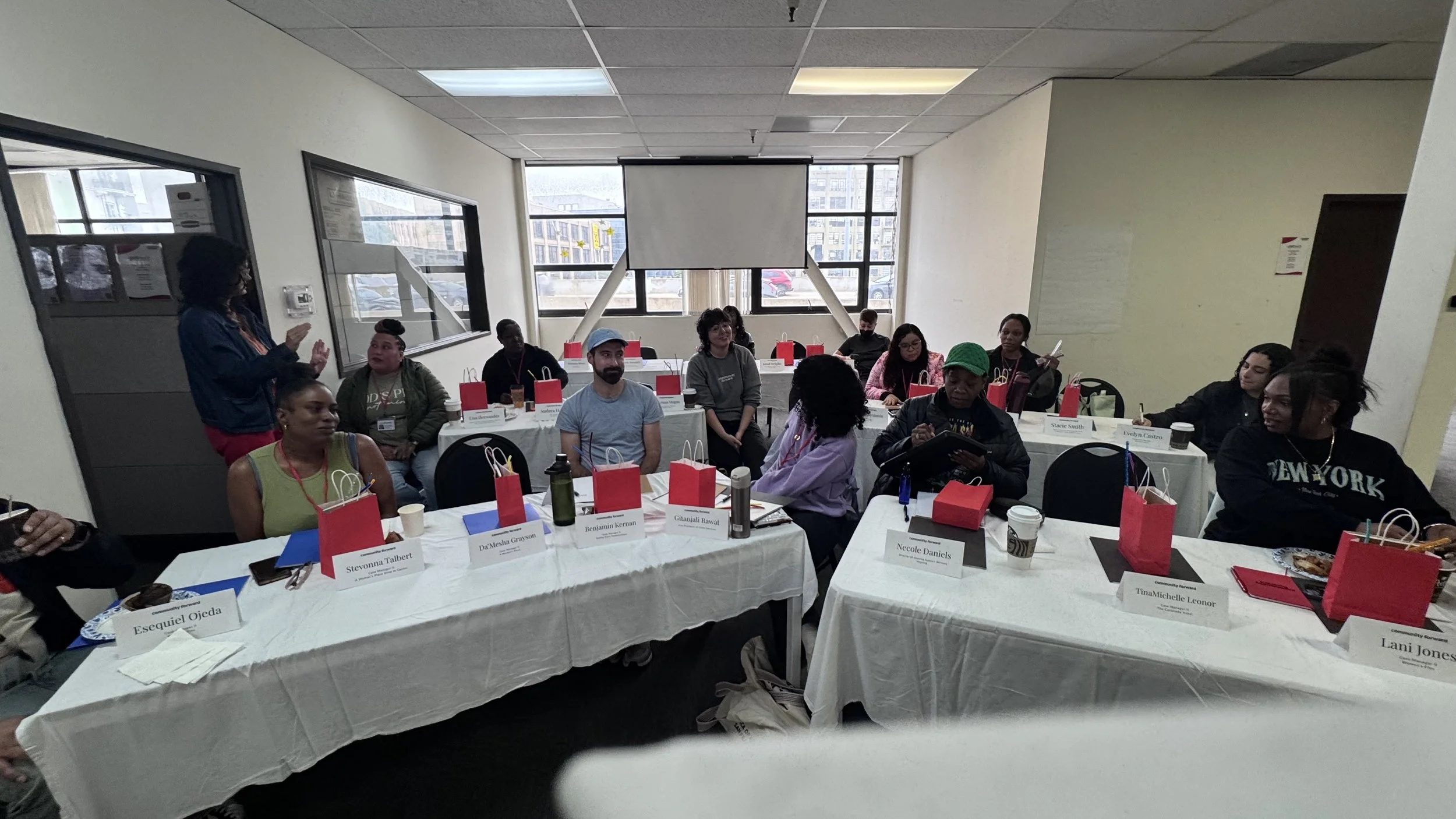
Community Forward recently held Trauma-Informed Practice trainings with leadership and case managers. What were some of the key themes?
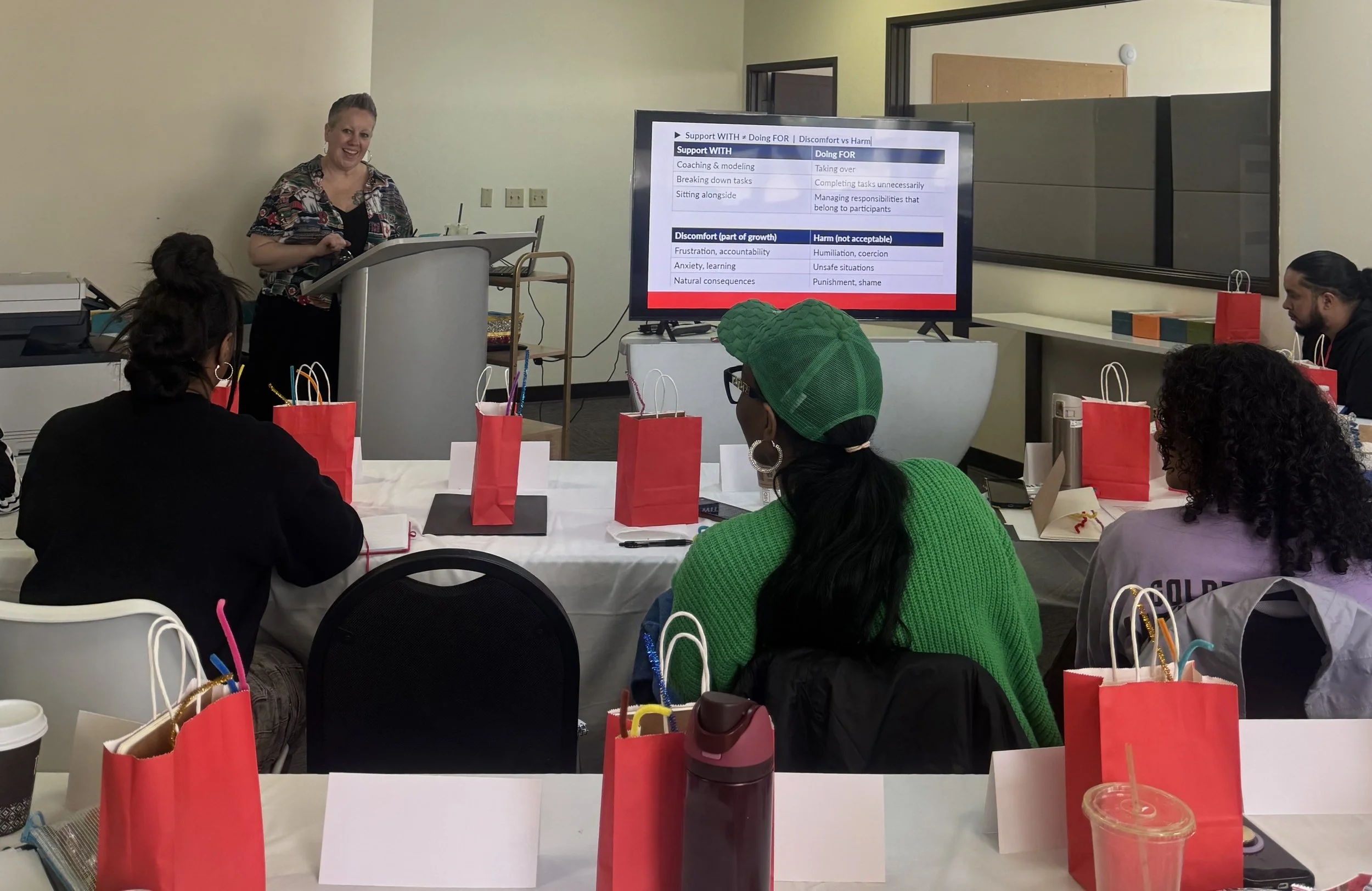
The trainings focused on understanding trauma's impact, strengthening trauma-informed communication, increasing transparency and participant choice, and exploring how organizational systems can better support both staff and participants.
We also examined how we show up in our work, including how stress responses such as fight, flight, freeze, and fawn can influence interactions and decision-making. Discussions emphasized self-awareness, healthy boundaries, moving away from rescue-based approaches, and supporting participant autonomy while maintaining compassionate, effective relationships.
How does this work support both participants and staff?
Trauma-Informed Practice recognizes that participant wellbeing and staff wellbeing are connected. Creating supportive, transparent, and respectful environments helps staff thrive and strengthens the quality of services participants receive.
This work also requires organizations to regularly examine policies, practices, and assumptions, seek feedback, and make changes when systems unintentionally create barriers, confusion, or harm. It requires both accountability and a willingness to learn.
What do you hope staff and participants experience as this work continues to grow?
I hope staff experience greater support, clarity, trust, and connection in their work, and that participants experience services that feel safe, respectful, collaborative, and empowering.
Ultimately, the goal is for trauma-informed principles to be reflected throughout every part of the organization.